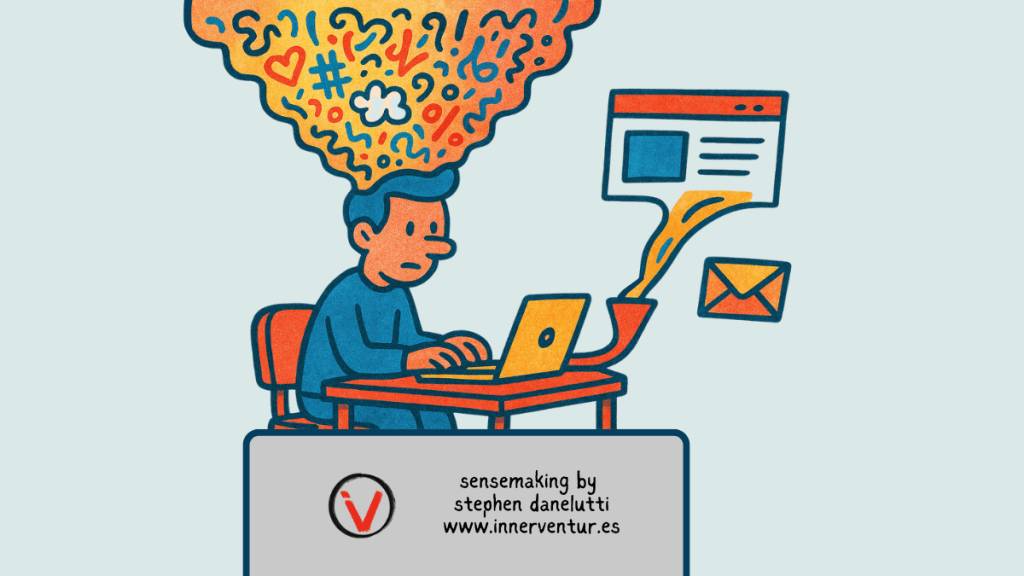
First the gold rush for the perfect AI prompt. Everyone wanting to crack the code — the magic that makes the model sing. Courses, cheat sheets, LinkedIn posts, etc. It matters. But.
AI ‘Skills’ Are Replacing Prompts. Besides this, the big decisions — budget, headcount, direction, go or no-go — are still made by humans. Often by one specific human or a small group of them. And they have to be convinced, nudged, persuaded or simply informed before anything moves.
And until the Agents take over, we still need humans to get work done. They also need to be convinced, cajoled and moved in new directions.
Prompting is for humans too and getting the right outcomes requires skills worth having. In the noise of the AI era, it’s one we’re quietly let atrophy.
The original prompt engineering
Back in 2016 I wrote about a technique I picked up on in a sales training session I took even earlier in the decade. A structured approach to reaching decision makers and getting what you need from them. We called it the “Hoff mail”. It had a logic to it: lead with their world not yours, be clear about what you want, make it easy to say yes.
Check it out here: How to communicate and get what you need from decision makers.
The principles from that time haven’t aged. If anything they are more relevant. Decision makers are more time-poor than ever and being bombarded with more information than ever. Their attention is the scarcest resource in any organisation. If you can’t cut through to the right person with the right message, it doesn’t matter how good your idea is or how perfectly your AI agent has executed it.
What still happens through humans
I work in the world of technology and now AI adoption. A lot of what I do involves getting organisations to move — to try things, invest in things, change the way they work. None of that happens without a human saying yes somewhere in the chain. The AI can build the prototype. The AI can draft the business case. The AI can model the ROI. But the moment of conviction, the actual decision, that’s still deeply human. For now.
And what trips people up is they’ve got the AI layer figured out but the human layer completely unexamined. The output seems great great. Yet the ask is a mess. The email is too long. The narrative is inside-out.
How I’d update that post for the AI era
There’s one obvious dimension missing — AI as your preparation layer. Here’s the update I’d make:
1. Use AI to research the human you’re prompting. Before you send that email or walk into that meeting, use an AI tool to build a picture of who you’re talking to. Their public profile, their stated priorities, recent things they’ve said or published, the language they use. You can construct a much more informed and targeted message when you know your audience — and AI makes that research fast.
2. Use AI to draft, then edit ruthlessly yourself. AI can give you a solid first pass — outcome first, relevance to them, clear ask. But the final edit has to be yours. The human nuance, the knowing reference, the right tone for that specific person — that’s still your job. Don’t outsource the last mile.
3. Use AI to stress-test your narrative. Paste your draft and ask the AI to respond as a sceptical, time-poor executive. What objections does it raise? What’s unclear? This is a genuinely useful exercise that takes two minutes and can save you from a terrible first impression.
 InnerVentures
Leave a Reply