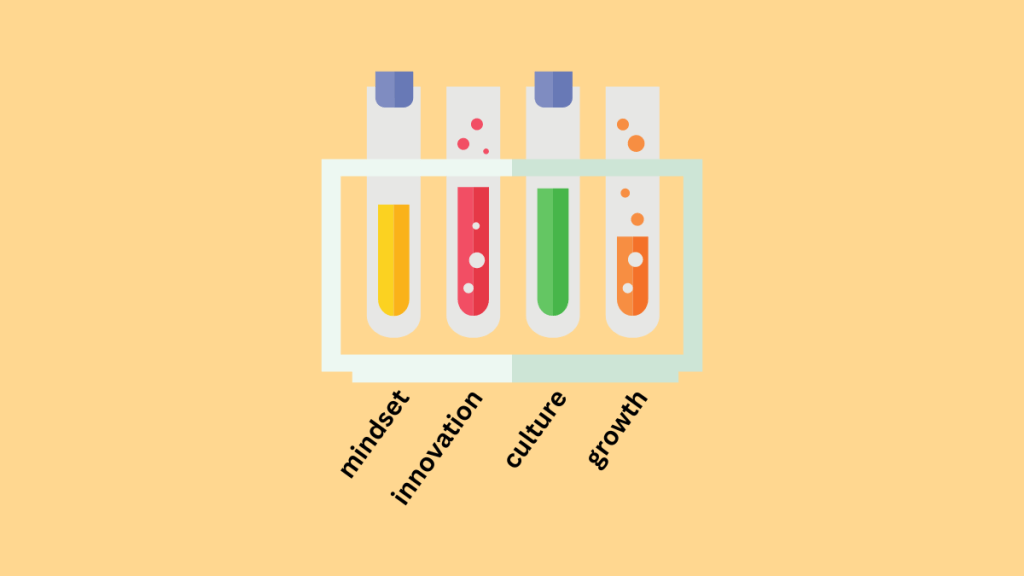
I mean growth in terms of mindset and learning and a lab in terms of environments that foster innovation activities and a culture of innovation. It’s no secret that is why they are endorsed by the CEO of Microsoft himself, where I work (disclosure). I’m leading one at the moment (again) and sharing what I have learned so far. All captured under the following headings which are deep linked:
The last time I participated in a hackathon was in 2018, also at Microsoft. I did well then winning in a local competition that meant I was sent to Redmond (headquarters) to participate in the global competition where my team came second in our challenge area. All documented here including other hackathons I participated in and helped customers with: Hackathon Success. I also recently published a guide on how to run hackathons if interested.
This time round it’s all remote and I am leading a team of 14 based all over the world and covering time zones in three main regions. That’s the first challenge. I’ve covered all of the main areas I’m having to deal with below with a few words on each and what I have learned and how I have grown as a result. The hacking is now over so click on the button below to get all the details.
Leadership
I distinguish this activity from management because this is a team of volunteers so I am not people managing them but leading the efforts of a group of members and steering us towards success because we are also “in it to win it”.
Delegation for effectiveness, ownership and participation is crucial in leading volunteers. Firstly, I lack all the skills necessary so need to bring in others. Secondly, in order to get more done and with better engagement, I needed to delegate. I did this by identifying and asking key members to become workstream leads as well as trying to chunk activities that people could own within or on the periphery of the main workstreams.
Main learning: Leading people is hard but if you are open and transparent and let others lead you will build trust and get further faster. It’s also super rewarding when you trust others and they reward that trust with results. And those results are for their own benefit and the collective, not for you.
Technology
The first thing I had to take care of is create a page on the site we use to register hack projects. This is the page to recruit members with, gain broader participation (more on this later) and also submit our hack projects for consideration by the judges at the end.
The very next step is to create a collaboration space and naturally I used Microsoft Teams. The Team has ended up being organised in workstreams with a channel for each.
Weekly sprints and recurring sync calls are held and managed in a Planning channel. I’ve also used Group chats with certain workstream members to facilitate faster flowing conversations than is possible in Channels.
Main learning: Again here, less is more. It’s a general collaboration principle in my view that the technology should not get in the way of people collaborating and achieving their goals but just be enough to accelerate their achievements. It’s a fine line.
Organisation and Planning
Workstreams using Channels is something I’ve already mentioned. I thought of getting really detailed with the use of Planner or Project tools but opted against it. There is just not enough time available to really get into this since this is not a full time job for anyone. I opted for a slide in PowerPoint with the workstream and sprint milestones broken down and then just using this and updating it to guide everyone.
I use a Channel post every week leading up to the weekly sync meeting to capture the main outcomes we are striving to achieve for that week.
Main learning: Less is more. I found that when I over complicated sprints with info, process, people – it is less likely to be effective and achieve its outcome. For me, its much more about experimenting with what works than about planning.
Design and App Development
Although strictly speaking these could be two workstreams, they are so closely interrelated I kept them as one.
We have several designers and the lead is using Figma for the design mock-ups and then we hope to bring them into the App Dev environment we are using which is PowerApps to start with and testing this cool option too: Microsoft Power Apps – Create Apps from Figma UI Kit (Preview) – Figma
PowerApps has some limitations but for quick App Dev and as a prototype for the hack submission the team decided this will do and allow us to be agile. We are developing an App for mobile phones as this is a key part of the proposition.
Main learning: Good design is always important but you really need pro’s if your solution depends on it. That is, it’s really hard to hack this aspect when you want high fidelity design for end users because it’s part of the proposition.
Pitching
This includes team recruitment and as mentioned I used the hack page on the main site for this. You have a limited canvas on which to get your point across which is probably on purpose as it forces you to be concise and to the point in your appeal. Four images or videos and two main text boxes covering description and main problem or opportunity are the basic blocks you have to work with. There is also some meta data fields related to the hack challenges you are aligning to and the types of member skills you are seeking in potential members.
Another big task in this area is coordinating hack submission material. This should include a demo video of what it is you built. Note not all hacks require something to be built using Microsoft technology (it could also just be a business idea or process innovation you have hacked) but ours does very much. The hack organisers have provided many hack tips on what the video should ideally contain (they provide an ideal storyboard template to follow) as well as what the judges are looking for, etc. A crucial element here is being concise on what your solution does for users and/or Microsoft.
A final element is promotion within the organisation to get likes and comments and to find initiatives we can align with including with key stakeholders so that it adds value to the hack effort and builds a degree of social proof that will help when your hack is being judged. For this we have created teaser videos and template emails that the whole team can use to share with their colleagues, teams, departments and other key people.
Main learning: Hacking at its most complex, as in my case this time, is as much about building an actual solution as it is about building a business, i.e. mine is not just a feature or simple product extension like some will be. Both parts require equal thought and its super hard to do in a short space of time. Think accelerated startup 🚀


Leave a Reply